PMOS and the menopause
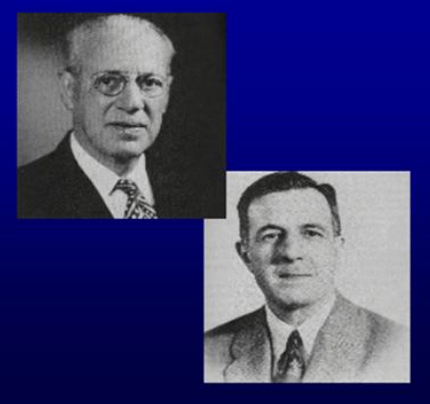
PMOS was first properly described in the 1930s by two American doctors: Irving Stein and Michael Leventhal. They thought the fertility, menstrual and body hair problems so common in PMOS were caused by a hormonal disorder within the ovaries themselves. Fifty years later, it became clear that the ovaries were victims, not the cause, of the condition. And it took another 40 years for the condition to be given its current, more accurate name, the Polyendocrine Metabolic Ovarian Syndrome. The endocrine-metabolic disorder driving most cases of PMOS is Insulin Resistance.
So, what happens to women with PMOS after the menopause? Does the Insulin Resistance just go away? The answer is no. The underlying endocrine-metabolic condition just keeps on going unless the Insulin Resistance can be reversed. This is where the Low-carb approach kicks in. If sugary and starchy carbs like the Big-6 (bread, pasta, pizza, rice, potatoes and sugar) keep pouring glucose into the circulation, the need for excessive amounts of insulin continues. And that keeps the Insulin Resistance rolling on.
Cut those carbs, cut the insulin, and reverse your Insulin Resistance.
