Heroes and Villains No 8: Dr Richard Bernstein
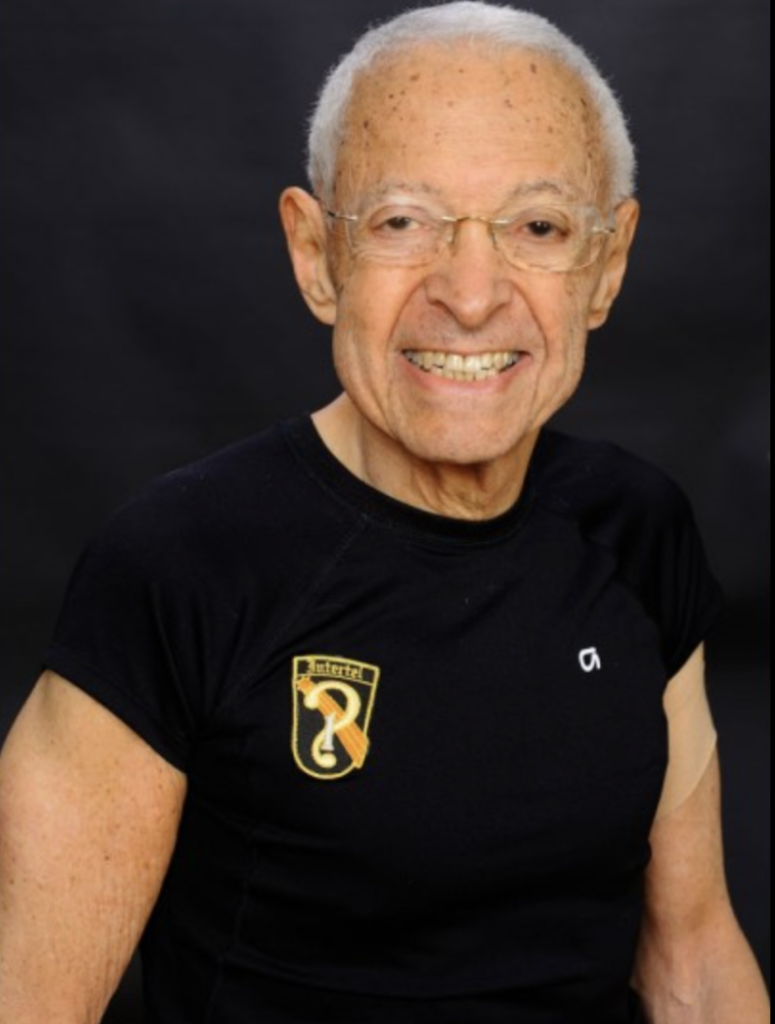
New York City, 1969: At 35, Richard Bernstein was in trouble. He had been on insulin for his Type 1 diabetes since he was 12. Despite following all the standard medical advice, he looked ill, and he felt ill; he was ill. He had problems with his vision and problems with his kidneys. His feet were numb. He was underweight. He suffered from severe indigestion and frozen shoulders. He was depressed and irritable; he struggled to work. Then, one day he noticed an article in a magazine called Lab World about a newly developed blood glucose testing machine and decided to buy one. Richard’s background in mathematics and engineering kicked in. Like a true scientist, he made some basic observations, defined a problem and then sought a solution. He tested his blood glucose levels up to eight times each day. Long story short, by identifying the foods that were spiking his blood glucose levels, he slowly regained control over them, something his doctors said was impossible.
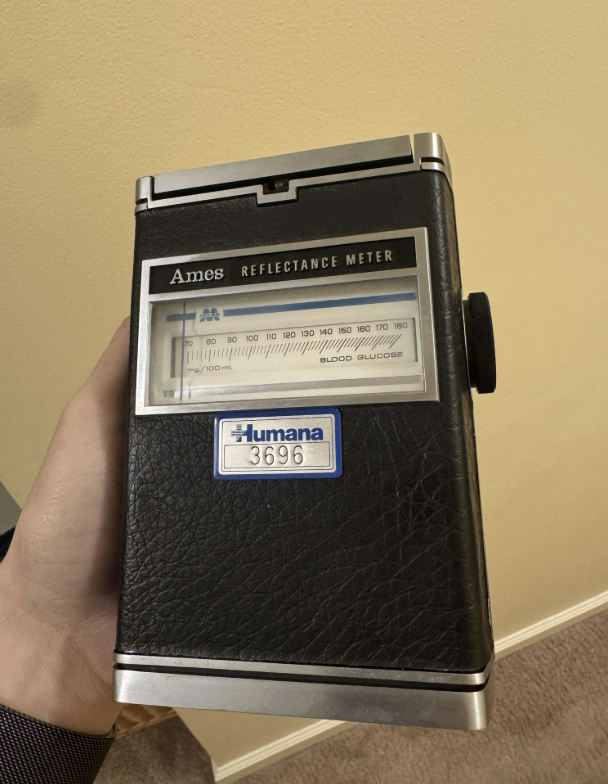
The Ames Reflectance Meter cost Richard $650.00. This revolutionary new brick-shaped device arrived in a brick-sized black box. It had to be connected to a mains electricity supply; no batteries. As with today, a drop of blood was placed on a test strip. It was washed off after one minute, then the strip was inserted into the machine. The device relied on a colour change in the strip’s test pad. The Ames meter was not digital; it gave a reading with an analogue needle over a background scale. The Ames Reflectance Meter was the first compact glucose meter that could be used outside of a hospital setting. And using it, Richard Bernstein was the first ‘patient’ to monitor his own blood glucose levels.
Richard applied his engineering skills to solve a tricky problem, and he succeeded; eventually. Not only did he rescue himself from poorly controlled diabetes and restore much of his former health, but he went on to dedicate his entire career to helping both Type 1 and Type 2 diabetics recover their health too. Indeed, in one of his books, he thanked three fellow physicians who also ‘fervently believed that people with diabetes are entitled to the same blood sugars as nondiabetics.’ Bernstein’s health was restored, and he worked tirelessly for the rest of his life trying to help fellow diabetics do the same ‘while the medical establishment was dallying.’ Richard lived with Type 1 diabetes for 78 years and died at the age of 90.
What Bernstein had discovered for himself was not new. The medical establishment had merely ignored it. In the 19th century, William Osler, the Father of Modern Clinical Medicine, advised diabetic patients that ‘Carbohydrates in the food should be reduced to a minimum.’ Osler had sugary and starchy foods particularly in mind. After all, we now know that people with Type 2 diabetes have a significant problem handling foods that liberate a lot of glucose during digestion: sugars, starchy foods like bread, rice and pasta, and starchy vegetables like potato. Bernstein discovered that when he limited his consumption of sugary and starchy foods, his blood sugar levels began to fall toward normal levels. Not surprisingly, he needed to inject less insulin, and injecting less insulin was less costly (this was America after all). Importantly, he also reduced his risks of developing abnormally low glucose levels: the dreaded hypos. Hypoglycaemic episodes are, after all, almost always the result of overtreatment with diabetes medications. When he began monitoring, Richard found his glucose levels swung wildly from under 2.2mmol/l to as high as 22.2mmol/l (40mg and 400mg/dl respectively). The normal range for fasting glucose in 4-6mmol/l.
Richard surveyed the literature looking at the role of exercise in reducing diabetic complications. But, like William Banting before him, he discovered that although exercise might make you fit, it didn’t help much with diabetes. Instead, he found that it was already known, or at least described (and buried) in the literature, that ‘normalizing blood sugars’ could prevent and sometimes even reverse diabetic complications (damage to heart, brain, eyes, kidneys and nerves particularly). Why, he wondered, was this not on the radar of established diabetes specialists?
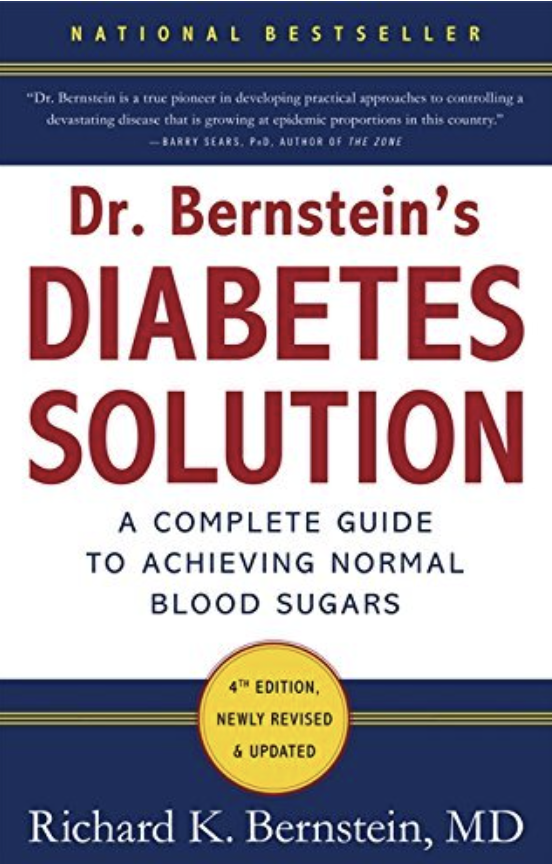
Through trial and error, he slowly established a dietary plan and ‘normalized’ his sugars. He went on to organise symposia on blood glucose self-monitoring. His landmark book “Dr Bernstein’s Diabetes Solution – The Complete Guide to Achieving Normal Blood Sugars” came out in 1997. In it, he stressed ‘The fundamental importance of a restricted-carbohydrate diet.’ He achieved normal blood glucose levels by strictly limiting sugary and starchy carbs in his diet. He specified consuming a maximum of 30g of carbs per day. He advised which foods were forbidden and which were allowed. He advised frequent blood glucose testing and microdosing insulin to match blood glucose levels with precision. It sounds onerous, but it worked. Patients following his method required a lot of support, and Bernstein gave it, free of charge. He posted numerous videos on YouTube, and once each month was available online to answer patients’ questions. He was an altruist. If the first law of medicine is ‘do no harm’, he embodied a second ‘do some good.’
We have a lot to thank Big Pharm for. They scaled up Banting’s original animal insulin extraction procedures. They developed recombinant DNA human insulin production. They introduced new analogue insulins. In place of glass syringes and needles that needed sharpening and boiling before use, industry has given us modern insulin delivery systems, from pens and cartridges to insulin pumps. Glucose monitoring is now ubiquitous, quick, easy and reliable. Indeed, CGMs can now link directly with smartphones and even insulin pumps. But Type 1 diabetes care remains stuck reacting to food choices rather than preventing the need for excessive treatment.
Bernstein, who had to join the medical establishment’s closed shop to fight it, made huge advances in the understanding and treatment of diabetes, but in the end, he was just one person confronting the power and wealth of the pharmaceutical industries and the inertia of the medical establishment.
